0 reviews
Summary
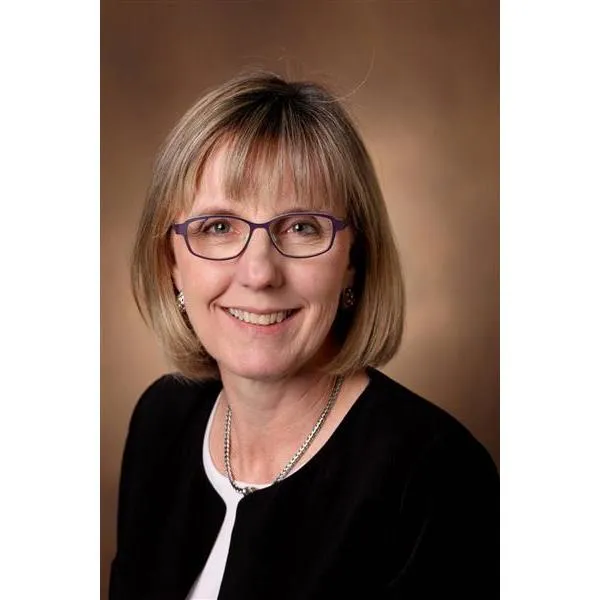
I am a physician-scientist with experience in clinical neonatology, and research interest in newborn lung disease. Lung surfactant plays an important role in managing both premature and term newborns with lung disease. Surfactant is a soapy material made by cells in the small airspaces of the lung, the alveolar type 2 cells, to maintain inflation of airspaces during the breathing cycle. Diseases of surfactant fall into three categories: developmental, genetic and acquired. The immature lungs of premature infants are often not yet able to make sufficient amounts of surfactant, and these infants develop Respiratory Distress Syndrome (RDS) as a result of the developmental deficiency of surfactant. Surfactant protein B, SP-B, is an important component of surfactant. Infants with a genetic defect in the SP-B gene have normal lung development but poor quality surfactant. As a result, they appear to have RDS even though they were not born prematurely. Full-term newborns are born with a full …component of surfactant, but diseases like pneumonia can inactivate normal surfactant, resulting in lung disease. My research focuses on the formation of alveolar type 2 cells in the developing and injured lung, especially regarding the development of surfactant components. We have used a powerful in vitro model of alveolar type 2 cell differentiation to examine the biosynthesis of surfactant components and, more recently, to understand the development of lamellar bodies the surfactant storage organelle in type 2 cells. This model system has allowed us to use protease inhibitors, RNAi, and plasmids to perturb SP-B processing in vitro as type 2 cells develop. We have collaborated extensively locally, nationally and internationally to assist other investigators in using this model to understand the transcriptional, epigenetic and proteomic basis of development of the alveolar epithelium. More recently, we have been investigating Hermansky-Pudlak Syndrome, a rare form of albinism associated with platelet dysfunction and lung fibrosis. Surfactant is stored in lamellar bodies, a lysosome-like subcellular organelle that is affected in HPS, resulting in giant lamellar bodies. It remains unclear how the HPS gene products contribute to the abnormal lamellar bodies and whether this is important to lung fibrosis in HPS patients. We have a mouse model of HPS the double mutant pale ear/pearl mouse that recapitulates the development of lung disease in patients with HPS. examining the basis for abnormal lamellar body development in HPS, we are using this mouse model to understand the pathobiology of lung disease in HPS with an eye toward developing pre-clinical data for novel therapies. Our recent publication has identified two potential biomarkers of progressive lung disease that have an alveolar epitelial origin. As the former program director for the Neonatal-Perinatal training program at CHOP and a research mentor for fellows in the program, I have a long-standing interest in research education. building the research infrastructure for fellows in neonatology at CHOP, I have promoted research career development nationally through my continued involvement in the American Thoracic Society and my prior role in the Organization for Neonatal-Perinatal Medicine Training Program Directors. In short, the focus of my research program is:
-To understand alveolar type 2 cell formation in the developing lung;
-To expand our knowledge of alveolar type 2 cell functions; and
-To examine the contribution of alveolar type 2 cells to pulmonary physiology and pathophysiology in both neonates and adults. Potential projects in my lab include:
-Regulation of gene/protein expression in differentiating alveolar type 2 cells;
-Mechanisms of lamellar body genesis in alveolar type 2 cells; and
-Mechanisms of lung injury in Hermansky-Pudlak syndrome.
Read More Read less -To understand alveolar type 2 cell formation in the developing lung;
-To expand our knowledge of alveolar type 2 cell functions; and
-To examine the contribution of alveolar type 2 cells to pulmonary physiology and pathophysiology in both neonates and adults. Potential projects in my lab include:
-Regulation of gene/protein expression in differentiating alveolar type 2 cells;
-Mechanisms of lamellar body genesis in alveolar type 2 cells; and
-Mechanisms of lung injury in Hermansky-Pudlak syndrome.
Quick Facts
- 41 years of experience
- 4 insurance plans accepted
- speaks English, Spanish
- Childrens Hospital
- 3 specialties
- 6 areas of expertise
- 1 hospital affiliation
- 2 office locations
- Female
Office Locations
Dr. Susan Hall Guttentag has 2 locationsVanderbilt University School Of Medicine Neonatology
2200 Childrens Way Ste 11111Nashville, TN 37232 Tel: (615) 322-3476
Mon12:00 am - 12:00 pm
Tue12:00 am - 12:00 pm
Wed12:00 am - 12:00 pm
Thu12:00 am - 12:00 pm
Fri12:00 am - 12:00 pm
Sat12:00 am - 12:00 pm
Sun12:00 am - 12:00 pm
Compare with Similar Doctors
 |  |  |  |
| Dr. Susan Hall Guttentag, MD | Dr. Cindy Tang Harris, MD | Dr. Hrishi Madisetty Kanth, MD | Dr. Erika Lachelle Crawford, MD |
| Neonatology | Pediatrics | Pediatrics | Pediatrics |
| Accepts New Patients | Accepts New Patients | ||
| 41 Years of Experience | 26 Years of Experience | 24 Years of Experience | 22 Years of Experience |
| No Virtual Visit Option | No Virtual Visit Option | No Virtual Visit Option | No Virtual Visit Option |
| Speaks English, Spanish | Speaks English | Speaks English, Spanish | Speaks English, Spanish |
| Nashville , TN | Chattanooga , TN | Smyrna , TN | Springfield , TN |
| Med School: Medical College Of Pennsylvania | Med School: University Of Tennessee Health Science Center College Of Medicine | Med School: West Virginia University School Of Medicine | Med School: Meharry Medical College |
Current Profile | View Profile | View Profile | View Profile |
Insurance Plans Accepted by Dr. Susan Hall Guttentag
Medical Specialties
Dr. Susan Hall Guttentag has the following 3 specialties
Specialty Expertise
Dr. Susan Hall Guttentag has the following 6 areas of expertise
Certifications, License, & Education
41 Years Experience
Dr. Susan Hall Guttentag holds an active medical license in the state of Tennessee.
Medical License
Medical Doctor with an active medical license in the state of Tennessee that expires in 2027.
Education & Training
Residency
Completed their residency at Childrens Hospital.
Medical School
Graduated from Medical College Of Pennsylvania in 1985.
NPI Number
Dr. Guttentag's NPI number is 1417993122.
Similar doctors








Frequently Asked Questions
- How can I make an appointment with Dr. Susan Guttentag?
- You can find contact information for Dr. Susan Guttentag here on Vitals.
- Is Dr. Susan Guttentag accepting new patients?
- Dr. Susan Guttentag has not indicated that they accept new patients. Contact their office through their Vitals profile to check for availability.
- What languages does Dr. Susan Guttentag speak?
- Dr. Susan Guttentag speaks English and Spanish.
- Which hospitals is Dr. Susan Guttentag affiliated with?
- Dr. Susan Guttentag is affiliated with Vanderbilt Clarksville Hospital.
- Does Dr. Susan Guttentag accept virtual/telehealth appointments?
- Dr. Susan Guttentag has not indicated that they accept virtual/teleheatlh appointments. Contact their office through their Vitals profile to check for availability.
Ensuring Data Transparency and Trust: A Guide to Vitals Doctor Listings and Reviews
Our provider data is gathered directly from physicians and publicly available databases. Providers who verify their profiles gain the ability to update information, offering additional details about their specialties,education, treated conditions, performed procedures, and accepted insurances.
Reviews on Vitals are submitted by users only. Recognizing the valuable insights these reviews offer into a doctor's reputation, we maintain internal policies and protocols to ensure the quality and accuracy of all reviews. Importantly, providers cannot delete or alter reviews independently. Reviews can only be deleted or changed following an internal assessment by our customer service team.
Your feedback is highly valued and we encourage you to contact our support team should you encounter any issues.
