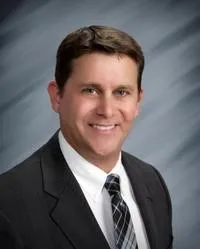
I did thorough research on orthopedic surgeons in the Greater Anchorage area. I even went so far as to schedule a hip replacement surgery with a surgeon that did the anterior (less-intrusive) approach. My perspective was that I wanted to go the anterior route in the belief that it had a faster recovery time. Shortly after scheduling the anterior approach surgery, my wife educated me on the need to determine whether the surgeon was â??in-networkâ?? with our group health insurance provider, Premera Blue Cross. I redoubled my research, including going back to the office where I originally scheduled my surgery. I learned of the potential financial disaster known as â??balance billingâ??. Iâ??m no expert on this procedure, but I did learn that it is a mechanism whereby an out of network healthcare provider who provides services will hold the patient (or responsible party for bill payment) responsible for paying the difference between what the insurance provider paid and the total… amount billed. In my case, this could have left me owing tens of thousands of dollars. I immediately did research with Premera on which orthopedic surgeons were â??in networkâ??. At that point, the only in network orthopedic surgeon in Anchorage was Doug Vermillion, MD. There were several in the Palmer/Wasilla area, and several over in Soldotna. I didnâ??t want to be hospitalized as far away as Soldotna, and my research on the surgeons in the Valley did not show any â??superstarsâ??. On the flip side, Doug Vermillion, MD showed up on a web-based list of the Top 3 orthopedic surgeons in Anchorage. My research started focusing tightly on Dr. Vermillion. I could not find much in the way of detailed reviews, but thankfully, I found one from a woman in Port Angeles, Washington that raved about the treatment she received from Dr. Vermillion. It was the pivot point that persuaded me to cancel my original surgery appointment with the out of network provider, and immediately book my replacement with Dr. Vermillion. For reasons I wonâ??t detail, I was in a hurry to get the procedure done. The folks at Orthopaedic Research Clinic of Alaska worked with me to expedite my scheduling and pre-surgery work-up ASAP. X-rays were taken. They showed my right hip was in really bad shape, while the left hip looked normal for my age and activity level. I had experienced a severe injury to my right hip and lumbar spine at the age of 30, after a high speed glissade into a rock pile. After 36 years of bump skiing, backpacking, day hiking, mountain biking, nordic skiing, tennis, etc., my right hip had several substantial bone spurs, and was giving me a lot of pain, along with range of motion issues. Dr. Vermillion told me he had been using the anterior approach to hip arthroplasties at one time, but had stopped doing them, and returned to the more traditional posterior approach. If you are a hip patient, and are considering a replacement, you have probably already researched the two different approaches. In my case, I lucked out that I wound up with a doc who did not do the anterior approach. When Dr. Vermillion and his able P.A., Ben, got a look at my hip in surgery, they found a spike that had not shown up on the x-ray. It made the procedure take a bit longer than anticipated, because it made the removal of the damaged hip more complicated. I bled more than the average hip placement, and I attribute that to the spike, and the effort it took to remove it (but Iâ??m no expert). All I know is that had I gone with the original anterior approach, I canâ??t imagine what that surgeon would have done when he found that spike. If I allow my imagination to run wild, the options are very scary. The key thing, beyond the fact that Dr. Vermillion has opted to be in network, that I want to stress with potential hip and knee replacement patients, is that Dr. Vermillion is a very patient-centered, research-intensive orthopedic surgeon, who, unlike many other surgeons I know of, is not focused primarily on building a great personal fortune. The fact that he is exceptional at what he does is a bonus for us patients. Dr. Vermillion used a newish type of anti-infection mechanism in my surgery that I am not qualified to detail. All I know is that it had something to do with leaving one or more substances in the incision that would provide lengthy antimicrobial care and fight potential infection. I also know that Dr. Vermillion is heavily involved in research efforts on improving the materials, techniques, and long term prognosis for knee patients, but since I am not a knee patient, I have not pursued detailed information in that area. I mention it here for the benefit of potential knee patients. The last thing I want to mention is the personal side of Dr. Vermillion. If you read some of the short (a sentence or two) reviews, a few reviewers talk about their perception that Dr. Vermillion is aloof or insensitive. That is in the eye of the provider. If you have trod the Earth long enough to wear out a hip or a knee, you probably know that opinions of affect often say as much about the reviewer as they do the reviewee. I found Dr. Vermillion to be genuinely interested in my having the best outcome possible, and that was my primary concern. The guy is a former U.S. Army Airborne Ranger. Dr. Vermillion competed in both modern and military pentathlons. His background spoke to me. (I found his bio on the web via a Google search. You can do the same if you are interested.) If you are anything like me, you are curious about how I am doing in the wake of my hip implant. Iâ??m now 67, and I have enjoyed a summer of relatively pain-free hiking. Truth in advertising, I still have range of motion issues, which my physical therapist attributes to the involvement of my lumbar spine. Thatâ??s something I may be stuck with for the dur
Read More