4.2
6 Ratings with 1 written Review
AI-generated from data on this provider profile.
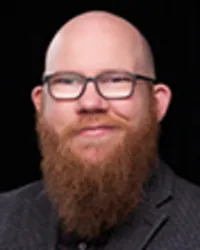 |  | 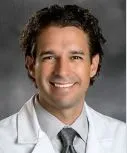 |  |
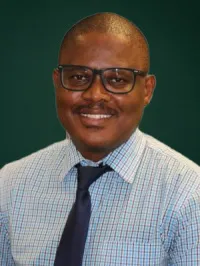
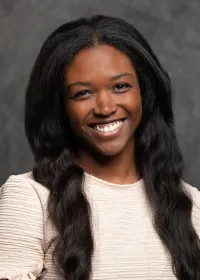
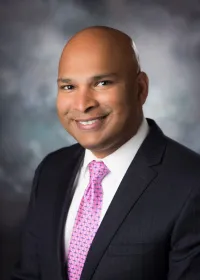
| Dr. Tyson Burghardt, MD | Dr. Cinthi Pillai, MD | Daniel Henry Arndt, MD, FAES, FACNS | Dr. Narendra Ramanbhai Patel, MD |
| Neurology | Neurology | Neurology | Neurology |
| Accepts New Patients | Accepts New Patients | Accepts New Patients | Accepts New Patients |
| 20 Years of Experience | 23 Years of Experience | 47 Years of Experience | |
| No Virtual Visit Option | Virtual Visit Available | Virtual Visit Available | No Virtual Visit Option |
| Speaks English, Afrikaans | Speaks English | Speaks English | Speaks English, Spanish |
| East Lansing , MI | New York , NY | West Bloomfield , MI | Lansing , MI |
| Med School: University of Toledo -Toledo, OH | Med School: Newcastle University UK | Med School: Chicago Medical School At Rosalind Franklin University-Medicine & Sciences | Med School: Medical College Baroda |
Current Profile | View Profile | View Profile | View Profile |
Neurology


Our provider data is gathered directly from physicians and publicly available databases. Providers who verify their profiles gain the ability to update information, offering additional details about their specialties,education, treated conditions, performed procedures, and accepted insurances.
Reviews on Vitals are submitted by users only. Recognizing the valuable insights these reviews offer into a doctor's reputation, we maintain internal policies and protocols to ensure the quality and accuracy of all reviews. Importantly, providers cannot delete or alter reviews independently. Reviews can only be deleted or changed following an internal assessment by our customer service team.
Your feedback is highly valued and we encourage you to contact our support team should you encounter any issues.
Find Doctors
Copyright © 2026 Vitals Consumer Services, LLC. US Patent No. 8, 694, 441. All Rights Reserved.
As more fully set forth in this website's terms of use . (1) nothing contained on or offered by or through this website should be construed as medical advice and should not be relied upon for medical diagnosis or treatment. Vitals Consumer Services, LLC ("Vitals"). the provider of this website, does not recommend or endorse any particular healthcare provider whose information or ratings appear on this website; and (2) Vitals has granted you a limited license to access and use this website for your own noncommercial use. You are not permitted to copy, reproduce, distribute, transmit, mirror, frame, scrape, extract, wrap, create derivative works of, reverse engineer, decompile or disassemble any part or aspect of this website.
